How It Started

I got into plastering the way a lot of guys in Brooklyn do — through family. My father did tile and masonry work, and I spent summers as a teenager carrying buckets and mixing compound on job sites around Bay Ridge. By the time I was in my early twenties, I'd picked up enough skill with a trowel that people started asking me to handle their walls directly.

That was back in 2007. Since then, I've worked on hundreds of apartments, brownstones, and older homes across southern Brooklyn. I never expanded into a big crew or started chasing commercial jobs. I kept it small on purpose — just me and occasionally one or two guys I trust — because that's the only way I can guarantee the work gets done right.
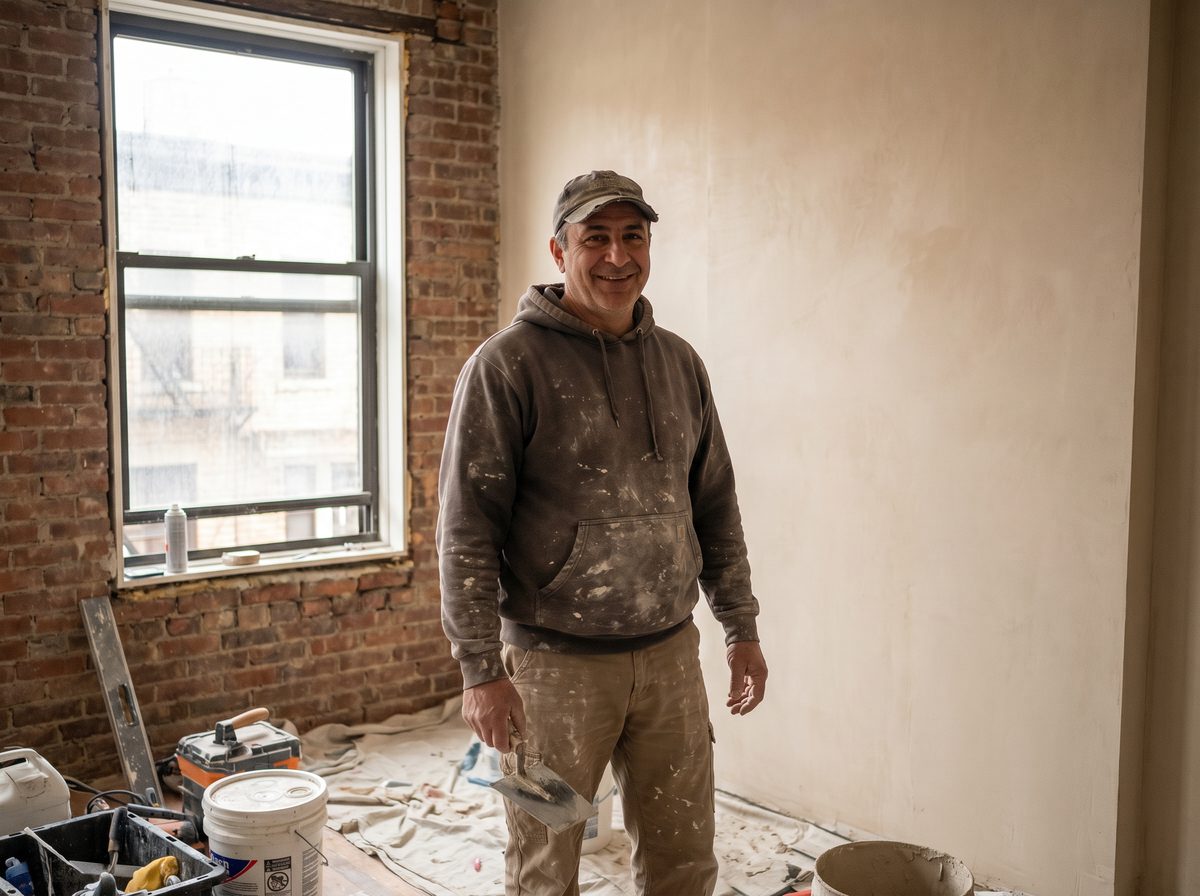
Michael Piazza, master plasterer, on a job site in Brooklyn

What I Focus On

Most of my work falls into a few categories: repairing cracked or failing plaster, fixing walls and ceilings after water damage, and doing interior finishing work that gets surfaces ready for paint. I've spent a lot of time in pre-war buildings where the original plaster is still on the walls — sometimes in decent shape, sometimes barely holding on. That kind of work takes patience and a feel for the material that you only get from doing it over and over.

I also handle a fair amount of water damage restoration. Leaking pipes, roof issues, condensation problems — they all end up destroying walls eventually. I come in after the plumber's done, strip out whatever's too far gone, and rebuild the surface. It's not glamorous work, but it makes a real difference in how a home looks and feels.

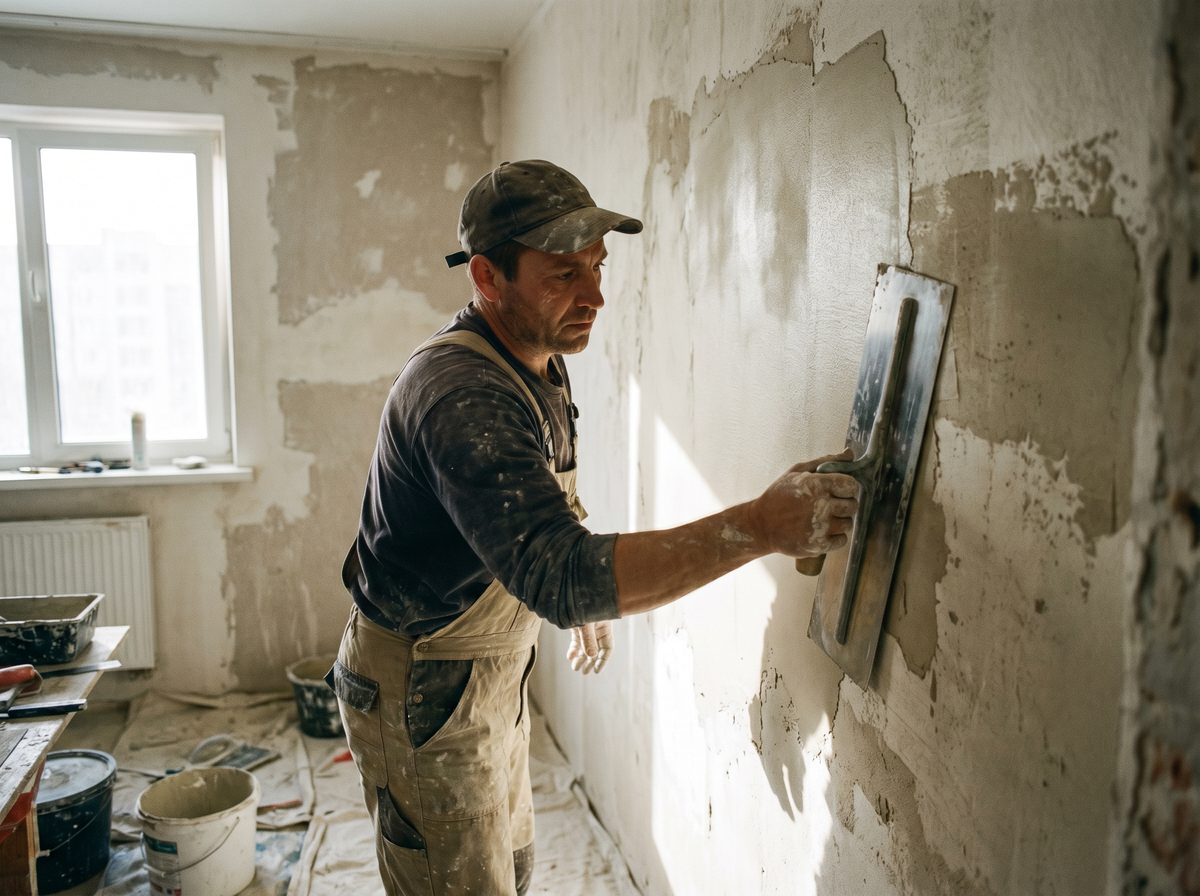
Plaster wall finishing in a Brooklyn apartment

The Buildings I Work In

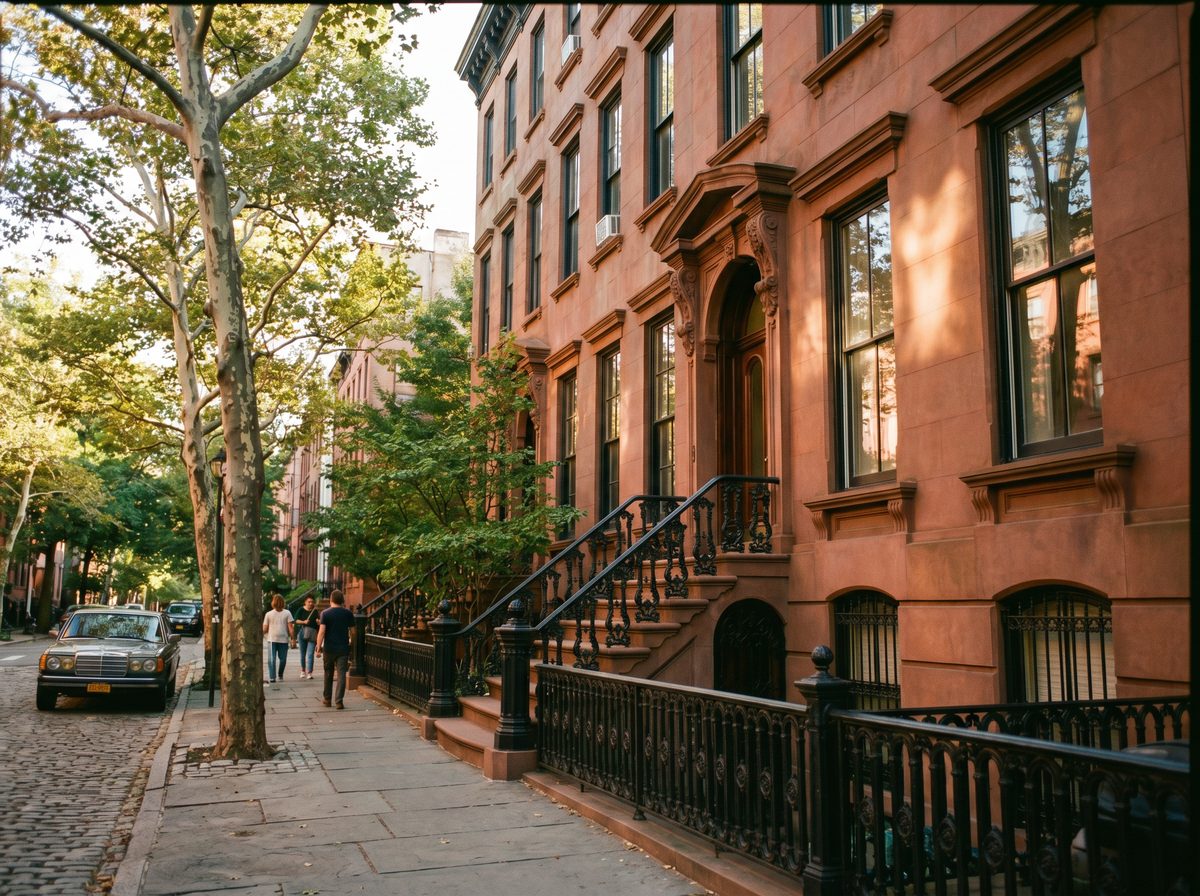
Brooklyn has some of the most interesting residential architecture in New York — and some of the most challenging walls. I've worked in classic brownstones with horsehair plaster that's over a hundred years old, in post-war apartment buildings with layers of paint over old skim coats, and in row houses where every room has a different wall condition.

Each building has its own quirks. The plaster in a 1920s brownstone behaves differently than the stuff in a 1960s co-op. I've learned to read walls — to figure out what's underneath, what's still solid, and what needs to come off. That kind of knowledge doesn't come from a manual. It comes from years of scraping, patching, and finishing in real Brooklyn homes.

Classic Brooklyn brownstone buildings

How I Work

I keep things straightforward. You call, I come take a look, and I tell you what needs to happen and what it'll cost. No pressure, no upselling. If the job is small, I can usually get to it within a few days. Bigger projects get scheduled out, but I always give a realistic timeline.

On the job site, I protect your floors and furniture, keep the dust under control as much as possible, and clean up when I'm done. I've been in enough people's homes to know that nobody wants to live in a construction zone any longer than they have to.

If you've got a wall or ceiling that needs attention, feel free to reach out. I'm happy to stop by, take a look, and give you an honest assessment — no obligation.

Ready to Fix Those Walls?

Call or message us for a free, no-obligation estimate.

Call (718) 635-4782 Send a Message